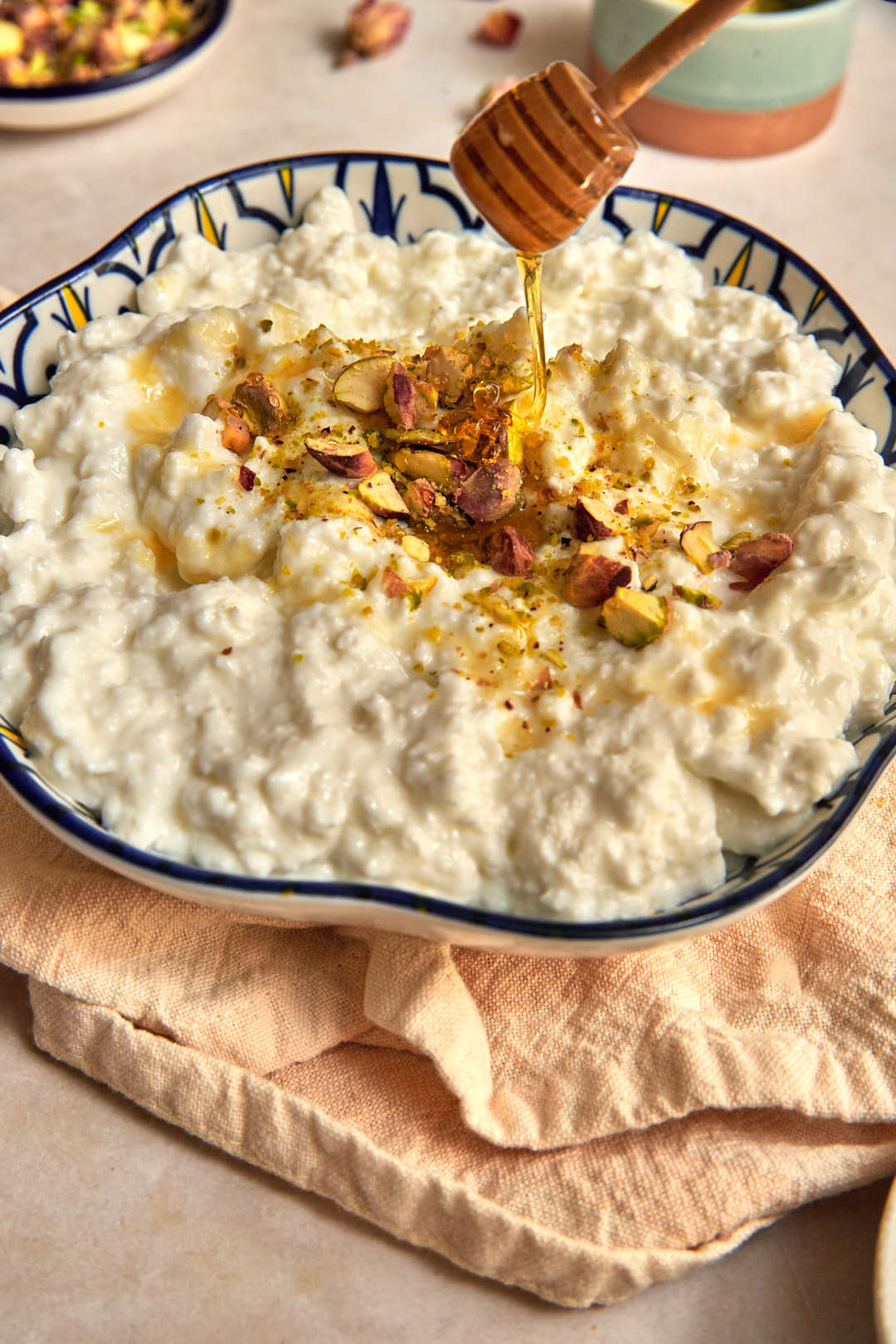
Unlock the Secrets of Easy Homemade Ashta: Your 20-Minute Guide to Middle Eastern Cream
Imagine a rich, velvety cream, subtly perfumed with fragrant rose or orange blossom water, that melts deliciously on your tongue. This isn't a fantasy; it's Ashta, the beloved Middle Eastern clotted cream, and you can make it effortlessly in just 20 minutes right in your own kitchen! Forget the daunting hours of traditional preparation; this quick and easy ashta recipe brings the taste of the Middle East to your dessert table in a flash.
Ashta, also known as kashta, kishta, or Eshta (especially in Egyptian Arabic), holds a special place in Middle Eastern cuisine. It’s a versatile ingredient, resembling a luxurious blend of clotted cream and mascarpone, but with its own unique floral aroma. From generously filling delicate pastries like Atayef to crowning a vibrant fruit cocktail or simply enjoyed on its own, its uses are endless. While in its native lands, it's as common as fresh cream or mascarpone in Western kitchens, for those of us outside the region, whipping up homemade Ashta is the best way to experience its authentic charm. Let's dive into making this creamy delight.
What is Ashta and Why This Easy Recipe?
Ashta is far more than just "cream." It's a culinary staple, a thick, rich dairy product with a texture akin to clotted cream but a flavour profile that often includes hints of orange blossom or rose water. This exquisite flavour sets it apart from its Western counterparts, offering an exotic twist that elevates any dessert it graces. If you're curious to learn more about this incredible ingredient, you can explore its history and various applications in our article on
What is Ashta? Discover Middle Eastern Clotted Cream & Its Uses.
Traditionally, making Ashta was a painstaking process, often involving boiling whole milk for hours and carefully skimming off the fat that rose to the surface – a method similar to crafting true clotted cream. While undeniably authentic, this time-intensive technique isn't practical for most home cooks today.
This is where our *easy homemade ashta recipe* comes in. It’s a brilliant shortcut, often affectionately called "Eshta Kazaba" or "Cheat’s Ashta" in Arabic, and it delivers nearly identical results in a fraction of the time. Instead of skimming fat, we achieve that signature thickness and creaminess using a simple thickening agent, typically cornstarch (cornflour). This method bypasses the complex curdling process of some other homemade versions, ensuring a smoother texture and a significantly faster preparation time – truly just 20 minutes of active cooking!
The beauty of this swift ashta recipe lies in its accessibility. You don't need special equipment or rare ingredients. You get to enjoy fresh, flavourful Ashta without the fuss, making it perfect for last-minute dessert cravings or impromptu entertaining.
Ingredients You'll Need for Your 20-Minute Ashta Recipe
One of the most appealing aspects of this easy ashta recipe is its reliance on readily available ingredients. You likely have most of them in your pantry already!
Here's what you'll need to create your delicious Middle Eastern cream:
*
Full Cream Milk (Whole Milk): This is crucial. While semi-skimmed might work in a pinch, whole milk provides the necessary fat content for a rich, creamy texture and superior flavour that resembles authentic Ashta. It's the base of our cream.
*
Heavy Cream (Double Cream): This is where the real indulgence comes in. Heavy cream contributes significantly to the luxurious mouthfeel and richness of your Ashta, mimicking the natural fat content of traditional versions.
*
Cornflour (Cornstarch): The magical thickening agent! Cornflour is essential for giving our Ashta its characteristic thick, pudding-like consistency without the need for hours of reduction. It's flavourless, so it won't interfere with the delicate notes of your chosen aromatics.
*
Sugar (Optional, to taste): While Ashta is often used in sweet desserts, adding a touch of sugar directly into the cream can enhance its flavour, especially if you plan to enjoy it on its own or with less sweet accompaniments. Start with a small amount and adjust to your preference.
*
Flavouring (Orange Blossom Water or Rose Water): This is the soul of Middle Eastern Ashta.
*
Orange Blossom Water: Offers a delicate, floral, slightly citrusy aroma. It's a very common choice for Ashta.
*
Rose Water: Provides a distinct, sweet floral fragrance that is equally popular.
* **Alternatives:** If you don't have these traditional flavourings or wish to experiment, a splash of vanilla extract can offer a familiar sweetness. For a truly unique twist, consider a tiny pinch of ground mastic or cardamom – use sparingly as their flavours are potent!
Step-by-Step Guide to Your Easy Homemade Ashta
Follow these simple steps, and you'll have exquisite homemade Ashta ready in no time. This method focuses on the "cheat's" version, ensuring a smooth, lump-free cream.
1.
Prepare Your Cornflour Slurry: In a small bowl, combine the cornflour with about ¼ cup of the cold whole milk. Whisk thoroughly until there are no lumps and you have a smooth, thin paste. This step is vital to prevent lumps in your final Ashta.
2.
Combine Liquids and Sugar: In a medium-sized, heavy-bottomed saucepan, pour in the remaining whole milk and the heavy cream. Add the sugar (if using). Place the saucepan over medium heat.
3.
Heat the Mixture: Stir the milk and cream mixture gently and continuously as it heats. Bring it to a gentle simmer, just until you see small bubbles forming around the edges of the pan. Do not let it come to a rolling boil.
4.
Thicken the Cream: Once simmering, give your cornflour slurry another quick whisk (it might have settled). Slowly pour the slurry into the hot milk mixture in a thin stream, *while continuously whisking*. Continue to whisk vigorously for 2-3 minutes.
5.
Achieve Desired Consistency: As you whisk, you'll notice the mixture thickening rapidly. Keep stirring until it reaches a thick, pudding-like consistency. It should be thick enough to coat the back of a spoon generously. If it's too thin, you can continue cooking and stirring for another minute or two. Be careful not to overcook, as it can become too stiff.
6.
Remove from Heat and Flavour: Take the saucepan off the heat. Now, stir in your chosen flavouring – typically 1-2 teaspoons of orange blossom water or rose water. Start with a smaller amount and add more to taste, as these essences can be quite potent.
7.
Cool Down: Pour the hot Ashta into a clean bowl or shallow dish. To prevent a skin from forming, you can cover the surface directly with plastic wrap (pressing it against the cream) or gently stir it every few minutes as it cools. Let it cool completely at room temperature, then transfer it to the refrigerator for at least 2-3 hours to chill and firm up further. The cream will thicken considerably as it cools.
Tips for Perfect Ashta & Creative Uses
Achieving the perfect homemade Ashta is simple with a few insider tips:
*
Preventing Lumps: Always make a cornflour slurry with cold milk *before* adding it to the hot mixture. Whisking constantly as you pour it in is key to a smooth, lump-free cream.
*
Adjusting Thickness: If your Ashta is too thick, you can gently warm it up with a splash more milk or cream and whisk until smooth. If it's too thin, you can return it to low heat with another small cornflour slurry (made with a tablespoon of cornflour and cold milk) and whisk until it thickens.
*
Storage: Store your homemade Ashta in an airtight container in the refrigerator for up to 3-4 days.
*
Serving Temperature: Ashta is traditionally served chilled, which allows it to set properly and enhances its refreshing qualities.
*
Texture: This "cheat's" method produces a wonderfully smooth and creamy Ashta, contrasting with some traditional methods that can result in a slightly gritty texture (which some prefer!). If you ever opt for a curd-based ashta, blending it briefly can achieve a similar smoothness. For more in-depth traditional methods, you can check out
Homemade Ashta: Easy & Traditional Ways to Craft Middle Eastern Cream.
Now that you've mastered this easy ashta recipe, how can you enjoy it?
*
Dessert Fillings: This is its most popular use! Fill warm Atayef (Middle Eastern pancakes), layered Layali Lubnan (Lebanese nights pudding), or use it in Kunafa (Knafeh).
*
Toppings: Dollop generously over fresh fruit salads, especially those featuring berries, bananas, or dates. It’s also fantastic on pancakes, waffles, or French toast for a Middle Eastern brunch twist.
*
Simple Indulgence: Enjoy a bowl of Ashta on its own, perhaps with a drizzle of honey or a sprinkle of pistachios. It's surprisingly satisfying.
*
Coffee Companion: A spoonful swirled into a cup of strong Middle Eastern coffee offers a creamy, aromatic treat.
*
Sweet Sandwiches: Spread it on warm pita bread or toast for a simple, sweet snack, often topped with a sprinkle of nuts.
Conclusion
Making homemade Ashta doesn't have to be an all-day affair. With this easy ashta recipe, you can bring the luxurious, aromatic taste of Middle Eastern clotted cream to your table in a mere 20 minutes of active preparation. It’s a testament to how simple ingredients, combined with a clever technique, can yield truly authentic and satisfying results. So go ahead, whip up a batch, and transform your desserts and snacks into an exotic culinary experience. Your taste buds will thank you!