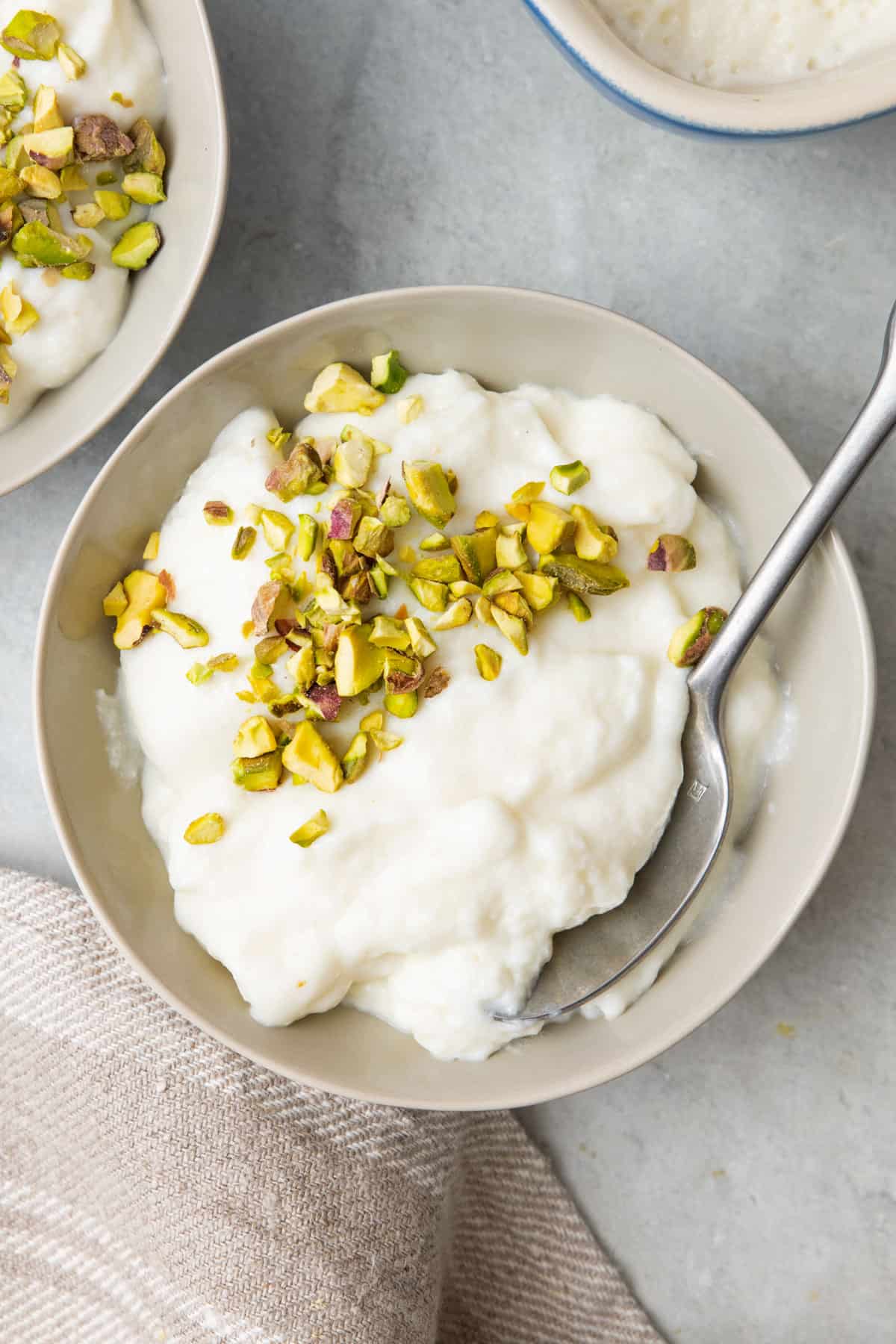
In the vibrant tapestry of Middle Eastern cuisine, certain ingredients stand out for their versatility and unique flavor profile. Among these, Ashta reigns supreme – a luxurious, creamy delicacy often described as the Middle Eastern answer to clotted cream. More than just a simple dairy product, Ashta is a cornerstone of countless beloved desserts, adding a rich, velvety texture and a distinctive aromatic essence. If you've ever savored the sweet delights of the Levant or Gulf region, chances are you've encountered Ashta, perhaps without even realizing its enchanting presence.
Often flavored with delicate notes of orange blossom water or rose water, Ashta offers a taste experience unlike any other. While it shares textural similarities with Western clotted cream or even Italian mascarpone, its unique aromatic infusion sets it apart, making it an indispensable component of Middle Eastern sweets. For those living outside the Middle East, the good news is that this exquisite cream, despite its seemingly exotic nature, is surprisingly easy to create at home. Join us as we delve into the world of Ashta, exploring its origins, diverse uses, and the straightforward methods to craft your very own homemade ashta.
What Exactly is Ashta? A Culinary Gem of the Middle East
At its heart, Ashta is a rich, milk-based cream that possesses a texture akin to the thick, spoonable consistency of traditional clotted cream. It's cherished throughout the Middle East, where it serves a dual purpose: a decadent topping for fresh fruits and pastries, and a luscious filling for an array of traditional desserts. Imagine the richness of mascarpone, but infused with the fragrant whispers of orange blossom or rose – that's the sensory experience Ashta delivers.
This culinary staple goes by several names across the region, reflecting the diversity of Arabic dialects. You might hear it referred to as kashta, kishta, or even eshta, particularly in Egyptian Arabic, where the 'a' sound is pronounced much like in "apple." In many London eateries specializing in Lebanese cuisine, it's affectionately known as "Lebanese clotted cream," underscoring its association with that country's rich dessert tradition. Regardless of the name, its essence remains the same: a versatile, flavorful cream that elevates any sweet treat.
For those residing in the Middle East, Ashta is an everyday item, readily available in supermarkets and bakeries, much like fresh cream or mascarpone would be in Western countries. It’s simply part of the culinary landscape, something taken for granted. However, for enthusiasts abroad, the idea of preparing Ashta from scratch can seem daunting. Yet, as we'll discover, modern home cooking techniques have made mastering an ashta recipe remarkably accessible, bringing this authentic taste of the Middle East into your kitchen with ease.
The Allure of Ashta: Why You Should Try Making This Middle Eastern Cream
The appeal of Ashta lies not just in its unique flavor and texture, but in its ability to transform ordinary desserts into extraordinary culinary experiences. If you've ever dreamt of recreating the authentic taste of Middle Eastern patisseries at home, understanding and making Ashta is your crucial first step. Its creamy consistency and fragrant notes make it indispensable for iconic desserts such as:
- Atayef: Delicate pancakes typically filled with Ashta and nuts, then drizzled with syrup during Ramadan.
- Knafeh: A famous cheese pastry soaked in sweet, sugar-based syrup, often topped or layered with Ashta for an added creamy dimension.
- Layali Lubnan (Lebanese Nights): A semolina pudding that showcases Ashta as its star creamy layer, often garnished with pistachios.
- Fruit Cocktails: Known as "fruit salad with ashta," a luxurious dessert where mixed fresh fruit is lavishly topped with rich Ashta and nuts.
Beyond these traditional applications, Ashta's delicate flavor profile allows for creative fusion. Imagine a dollop on your morning pancakes instead of whipped cream, or stirred into your coffee for a luxurious twist. Its subtle sweetness and richness can elevate a simple bowl of fresh berries or serve as a delectable filling for a modern fruit tart. The satisfaction of crafting this historically complex cream with simplified methods is immense, allowing you to bring a piece of Middle Eastern culinary heritage directly to your table.
Mastering the Ashta Recipe: Traditional vs. Cheat's Versions
For centuries, the traditional method for making Ashta was a labor of love, a testament to culinary patience. This classic homemade ashta involved simmering whole milk over a low flame for extended periods, repeatedly skimming off the delicate layers of milk fat (the "skin") that formed on the surface. These collected layers were then gently pressed and flavored to become the desired cream, much like making clotted cream from scratch. This painstaking process, while yielding an incredibly rich and textured Ashta, could take many hours, making it impractical for most home cooks today.
Modern & Simplified Ashta Recipes for Home Cooks
Thankfully, contemporary home cooks have devised brilliant shortcuts and simplified methods that capture the essence of traditional Ashta without the arduous effort. These modern ashta recipes typically fall into two main categories:
1. The Curdled Milk Method (Semi-Traditional)
This approach involves gently curdling whole milk, similar to making ricotta cheese or paneer. The resulting milk solids (curds) are then drained and often combined with a thickened cream mixture for added richness and smoothness. This method creates an Ashta with a slightly rustic texture, which some prefer for its authentic feel. If you desire a smoother finish, a quick blend in a food processor will achieve that velvety consistency. A wonderful byproduct of this method is the leftover whey, which can be creatively used in baking or even soups, ensuring nothing goes to waste.
2. The "Cheat's Ashta" or Eshta Kazaba (Quick & Easy)
For those seeking the quickest route to delicious Ashta, the "Cheat's Ashta" (Eshta Kazaba in Arabic, meaning "fake Ashta") is a game-changer. This popular shortcut skips the curdling process entirely. Instead, it focuses on creating a rich, thickened cream base using whole milk, fresh cream, and a thickening agent like cornflour (cornstarch in the US) or sometimes even a little all-purpose flour or white bread. This version delivers a wonderfully thick, smooth, and creamy Ashta in a fraction of the time – often ready in just 20 minutes of active cooking. While it might lack the nuanced depth of a traditionally curdled Ashta, its convenience and delightful texture make it an excellent choice for everyday use and impromptu dessert cravings.
Essential Ingredients for Your Ashta Recipe
No matter which modern Ashta recipe you choose, the core ingredients are readily available:
- Full Cream Milk (Whole Milk): The higher fat content is crucial for achieving the desired richness and, if curdling, for producing ample curds. While semi-skimmed milk can work in a pinch, the results will be less creamy.
- Cream: Heavy cream or whipping cream adds significant richness, contributing to Ashta's luxurious texture and mouthfeel.
- Lemon Juice or Clear Vinegar: Used specifically for the curdled milk method, these acidic agents help separate the milk solids from the whey. Lemon juice is often preferred for its fresh aroma.
- Cornflour (Cornstarch): The most common and effective thickening agent for the "Cheat's Ashta" and for enriching the curdled version. It provides a smooth, stable consistency.
- Flavorings: This is where Ashta truly gets its signature Middle Eastern flair. Orange blossom water and rose water are the traditional choices, lending a delicate floral aroma. A dash of vanilla extract can also be added for a universally appealing sweetness.
Tips for a Perfect Ashta
- Use Good Quality Dairy: The quality of your milk and cream directly impacts the final taste and texture of your Ashta.
- Constant Stirring: Especially for the "Cheat's Ashta," continuous stirring is key to prevent lumps and ensure a smooth, even consistency as it thickens.
- Chill Thoroughly: Ashta needs time to set and firm up. Always allow it to chill in the refrigerator for several hours, or even overnight, before serving.
- Adjust Flavorings: Start with a small amount of orange blossom or rose water and add more to taste. These floral essences can be quite potent.
Creative Ways to Use Your Homemade Ashta
Once you’ve mastered your chosen ashta recipe, the possibilities for enjoying this versatile cream are endless. While its role in traditional Middle Eastern desserts is iconic, don't hesitate to think outside the box and incorporate it into your everyday culinary adventures:
- With Fresh Fruit: This is perhaps one of the simplest yet most elegant ways to enjoy Ashta. Serve generous dollops with seasonal berries, sliced mangoes, peaches, or figs. A sprinkle of chopped pistachios or a drizzle of honey elevates it further.
- Luxurious Breakfast Topping: Move beyond whipped cream! Spoon Ashta over pancakes, waffles, or French toast for a unique and indulgent breakfast.
- Elevated Hot Beverages: Swirl a spoonful into hot chocolate, coffee, or even chai tea for a creamy, aromatic treat.
- Dessert Component: Use it as a filling for Western-style crepes, a layer in a trifle, or as a rich topping for fruit tarts and puddings. Its delicate floral notes pair wonderfully with citrus and stone fruits.
- Sweet Spreads: Spread it thinly on toast or croissants, perhaps with a sprinkle of cinnamon or chopped nuts, for a decadent snack.
The delicate balance of richness and floral aroma in Ashta makes it surprisingly adaptable, allowing it to complement both traditional and contemporary desserts. Experiment with different pairings and discover your favorite way to savor this Middle Eastern delight.
Conclusion
Ashta, the Middle Eastern clotted cream, is far more than just a dairy product; it's a culinary expression of the region's rich dessert heritage. From its traditional, laborious origins to the ingenious shortcuts that make it accessible to every home cook today, an ashta recipe is a journey into flavor and texture. Whether you opt for the deeper, rustic texture of a curdled version or the smooth, quick delight of the "Cheat's Ashta," you'll be rewarded with a versatile cream that can elevate a simple bowl of fruit or become the star of an elaborate dessert. So, gather your ingredients, embrace the adventure, and discover the enchanting world of homemade Ashta – a truly unique and irresistible addition to your culinary repertoire.
