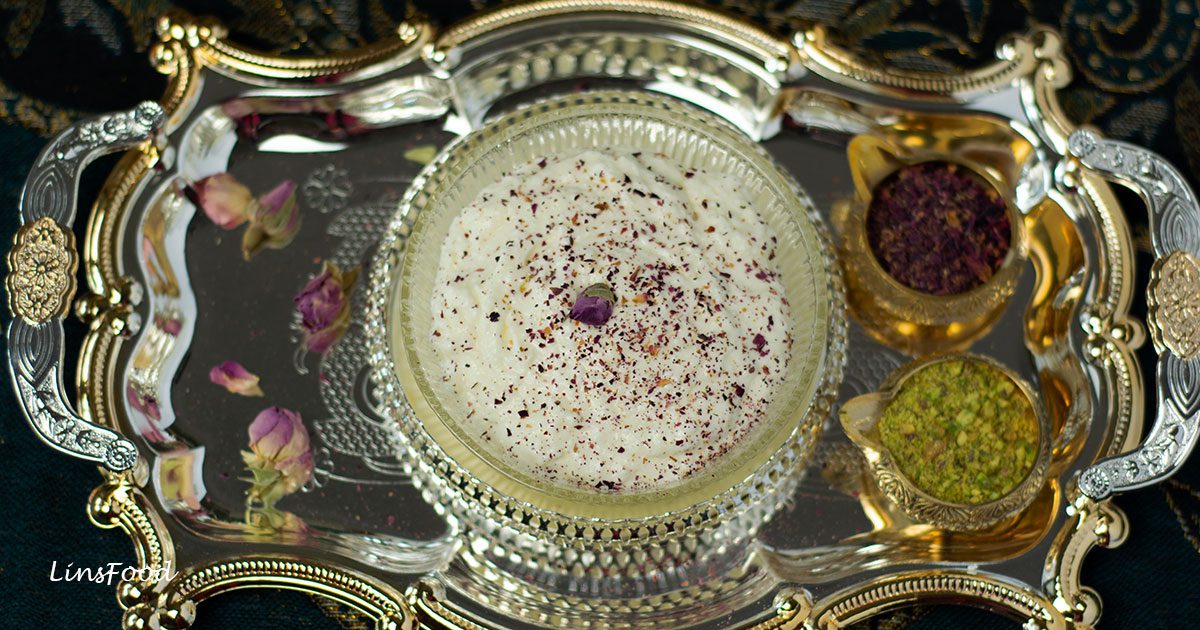
Homemade Ashta: Easy & Traditional Ways to Craft Middle Eastern Cream
Ashta, often dubbed the "Middle Eastern clotted cream," is far more than just a dairy product; it's a culinary cornerstone, a beloved ingredient that lends its unique texture and delicate flavor to countless sweets across the Arab world. Imagine the rich creaminess of mascarpone, but infused with the exotic fragrance of orange blossom or rose water, and you begin to grasp the essence of this delightful creation. Whether you know it as *ashta*, *kashta*, *kishta*, or even *Eshta* (reflecting regional Arabic pronunciations), or perhaps have heard it referred to as Lebanese clotted cream, its charm is universal.
In its native lands, ashta is as ubiquitous as fresh cream or mascarpone is in Western kitchens. It's an assumed presence, a standard offering found in bakeries and homes alike, frequently used as both a decadent topping and a luxurious filling for popular desserts. For those of us outside the Middle East, procuring authentic ashta can be a challenge. But fear not, for the good news is that making homemade ashta is surprisingly accessible, transforming what was once a laborious, time-consuming process into a manageable and rewarding kitchen adventure. This comprehensive guide will walk you through the various ways to craft this exquisite Middle Eastern cream, from its traditional roots to a convenient cheat's version.
What Exactly is Ashta? Unpacking the Middle Eastern Cream
At its heart, ashta is a rich, thick dairy cream, celebrated for its unique consistency and ability to elevate desserts. Its texture often draws comparisons to clotted cream, yet its distinct flavor profile, typically imparted by floral waters, sets it apart. While Western creams often rely on vanilla or other common extracts, ashta embraces the aromatic notes of
orange blossom water or
rose water, creating a truly authentic Middle Eastern experience. These floral essences are not merely additions; they are integral to ashta's identity, providing a fragrant backdrop that is both refreshing and comforting.
Ashta’s versatility is truly impressive. It's the star ingredient in many iconic Middle Eastern sweets. Picture it generously dolloped onto a slice of crispy *Knafeh*, layered within delicate *Atayef* pancakes, or swirling through a vibrant *Layali Lubnan* (Lebanese Nights dessert). It’s also a perfect companion for fresh fruit cocktails, offering a creamy counterpoint to the natural sweetness. Beyond its classic applications, creative cooks often find new ways to incorporate its unique flavor and texture into various confections. To delve deeper into the fascinating world of this versatile ingredient, explore our article:
What is Ashta? Discover Middle Eastern Clotted Cream & Its Uses.
Traditional vs. Modern Ashta Recipe: A Tale of Two Methods
The journey of an ashta recipe from ancient kitchens to modern homes reflects culinary evolution. Understanding both the historical context and contemporary shortcuts helps appreciate the nuances of this delightful cream.
The Traditional Pursuit: A Labor of Love
Historically, crafting ashta was a true test of patience and culinary skill. The authentic method involved slowly boiling large quantities of whole milk and meticulously skimming off the delicate layer of fat (often called "skin") that would rise to the surface. This process would be repeated over many hours, collecting layer after layer of pure milk fat, which, when accumulated, formed the luscious ashta. This method yields an incredibly rich product with an unparalleled depth of flavor and a distinct, almost ethereal texture. However, it's undeniably time-consuming and often impractical for the average home cook.
The Modern Approach: Accessible & Delicious Homemade Ashta
Thankfully, modern ashta recipes have simplified the process significantly, making this exquisite cream attainable for everyone. There are primarily two widely adopted methods for homemade ashta, often combined for the best results:
1.
The Curd-Based Method: Building Flavor and Texture
This approach involves curdling whole milk, similar to making ricotta cheese or paneer. Whole milk is brought to a boil, and then an acid – typically
lemon juice or clear vinegar – is added to separate the milk into curds and whey. The curds are then strained, forming a foundational component for the ashta. This method contributes a slightly "gritty" or textured quality, which some enthusiasts adore. If a smoother consistency is desired, these curds can be blended later. The strained whey is a valuable byproduct; don't discard it! It can be used as a liquid base for soups, or to replace water or milk in various baking recipes, adding a subtle richness.
2.
The Thickened Cream Method (Eshta Kazaba – The Cheat's Ashta Recipe): Speed and Smoothness
This is often referred to as "Eshta Kazaba," or "fake ashta" (though "cheat's ashta" is a more generous translation!), and it's the quickest route to a delightful homemade cream. This method bypasses the curdling stage entirely. Instead, a mixture of milk and cream is thickened with a starch, most commonly
cornflour (cornstarch). Some recipes might use white bread or all-purpose flour, but cornflour is generally preferred for its smooth thickening properties and neutral taste. This version results in a consistently smooth, thick, and creamy ashta that is incredibly versatile and ready in a fraction of the time.
Many home cooks, and indeed this guide, advocate for a combination of both methods: creating a small batch of curds for added depth and texture, and then folding them into a larger, quickly prepared thickened cream base. This hybrid approach offers the best of both worlds – a rich, complex flavor profile with a manageable preparation time.
Crafting Your Homemade Ashta: Step-by-Step Guide
Ready to make your own luxurious Middle Eastern cream? Here’s how to create an authentic-tasting ashta using a popular, relatively easy two-stage method, followed by the super-speedy cheat's version.
Essential Ingredients for Your Ashta Recipe
The beauty of homemade ashta lies in its simple, readily available ingredients:
*
Full Cream Milk (Whole Milk): This is non-negotiable for the best results, especially if you're making curds. The higher fat content is crucial for the creaminess and proper curd formation. While semi-skimmed *can* work in a pinch for the thickened cream, the richness will be compromised.
*
Heavy Cream (Double Cream): This adds significant body and richness, contributing to the luxurious mouthfeel of the finished ashta.
*
Lemon Juice or Clear Vinegar: Essential for curdling the milk in the two-stage method. Freshly squeezed lemon juice is preferred for its clean taste.
*
Cornflour (Cornstarch - US): The primary thickening agent for the cream base. It creates a smooth, lump-free consistency.
*
Granulated Sugar: A small amount to add a touch of sweetness. Adjust to your preference.
*
Flavorings:
*
Orange Blossom Water or Rose Water: The quintessential Middle Eastern flavors. Start with a small amount and add more to taste, as they can be potent.
* *Alternatives:* If you can't find floral waters or prefer a different aroma, vanilla extract, almond extract, or even a tiny pinch of ground cardamom can be used.
Method 1: The Two-Stage Ashta (Curds + Thickened Cream)
This method provides extra depth and a slightly more textured, authentic feel, without the hours of traditional skimming.
1.
Stage One: Preparing the Milk Curds (The Traditional Essence)
* In a large pot, bring about 4 cups (1 liter) of full cream milk to a rolling boil over medium-high heat. Keep a close eye on it to prevent scorching or boiling over.
* Once boiling, reduce the heat to low. Add 2-3 tablespoons of lemon juice or clear vinegar. Stir gently once or twice. You’ll notice the milk immediately begin to curdle, separating into distinct white curds and yellowish, watery whey.
* Let it simmer gently for 2-3 minutes, allowing the curds to fully form.
* Line a fine-mesh sieve with a few layers of cheesecloth (or a clean, thin kitchen towel) and place it over a bowl. Carefully pour the curdled milk into the sieve, allowing the whey to drain into the bowl below.
* Gather the edges of the cheesecloth and gently squeeze out any excess liquid from the curds. Set the curds aside. (Remember to save the whey for other culinary uses!)
2.
Stage Two: Crafting the Thickened Cream Base (The "Cheat's" Part)
* In a separate saucepan, whisk together 2 cups (500ml) of full cream milk, 1 cup (250ml) of heavy cream, 1/2 cup (60g) of cornflour, and 2-3 tablespoons of granulated sugar (adjust to taste). Ensure there are no lumps.
* Place the saucepan over medium heat. Whisk continuously and vigorously. As the mixture heats, it will gradually thicken. Continue whisking until it reaches a very thick, pudding-like consistency. This usually takes about 5-8 minutes. It should be thick enough to coat the back of a spoon.
* Remove from heat. Stir in 1-2 teaspoons of orange blossom water or rose water (or your chosen flavoring).
3.
Combine and Finish:
* Add the prepared milk curds from Stage One into the thickened cream base from Stage Two.
* Using a spatula or spoon, gently fold the curds into the cream. You can leave it slightly lumpy for a more rustic texture, or, for an incredibly smooth ashta, transfer the mixture to a blender or food processor and blend until silky smooth.
* Pour the ashta into a shallow dish, cover with plastic wrap directly on the surface to prevent a skin from forming, and refrigerate for at least 4 hours, or preferably overnight, to allow it to firm up and flavors to meld.
Method 2: The "Cheat's" Ashta (Eshta Kazaba) – Quick & Easy
If time is of the essence, or you prefer an effortlessly smooth cream, this is the ashta recipe for you. It's essentially Stage Two of the previous method. For a super quick and easy homemade ashta, refer to our dedicated guide:
Easy Homemade Ashta: Make Middle Eastern Cream in 20 Minutes.
1. In a saucepan, whisk together 4 cups (1 liter) of full cream milk, 1 cup (250ml) of heavy cream, 1/2 cup (60g) of cornflour, and 3-4 tablespoons of granulated sugar.
2. Place over medium heat and whisk continuously until the mixture thickens significantly, reaching a thick, custard-like consistency.
3. Remove from heat and stir in 2-3 teaspoons of orange blossom water or rose water.
4. Transfer to a dish, cover with plastic wrap touching the surface, and refrigerate until thoroughly chilled and firm.
Tips for Ashta Perfection
*
Preventing Lumps: When making the thickened cream, whisk the cornflour into cold milk *before* heating. Once on the heat, continuous stirring is key to a smooth, lump-free cream.
*
Flavoring Wisely: Floral waters are potent. Start with a smaller amount (e.g., 1 teaspoon) and taste before adding more. You want a delicate aroma, not an overpowering perfume.
*
Adjusting Consistency: If your ashta is too thin after chilling, you can gently reheat it and whisk in a little more cornflour dissolved in a tablespoon of cold milk. If it's too thick, you can whisk in a tablespoon or two of cold milk or cream until it reaches your desired consistency.
*
Storage: Homemade ashta should be stored in an airtight container in the refrigerator for up to 3-4 days.
Conclusion
Creating homemade ashta is a deeply rewarding culinary experience that connects you with the vibrant flavors of the Middle East. Whether you choose the more involved two-stage method for its added depth and texture, or opt for the incredibly quick and easy "cheat's" version, you'll be astonished at how simple it is to produce this luxurious cream in your own kitchen. Freshly made, fragrant, and wonderfully versatile, your homemade ashta is ready to transform any dessert into a truly authentic Middle Eastern delight. So, gather your ingredients, embrace the process, and get ready to savor the rich, aromatic taste of this beloved cream. Enjoy the journey of crafting your own ashta recipe!